Blog • Published on:January 23, 2026 | Updated on:January 23, 2026 • 13 Min
Holding two passports can make international travel smoother if you know how to use them correctly.
Dual citizens often gain visa-free access to more destinations, faster entry at borders, and the right to live or work in another country. At the same time, there are rules you need to follow when leaving or entering different territories.
This guide explains how dual passport travel works in practice and what to expect at airport checkpoints.
Direct answer:
If you hold dual citizenship, you should travel with both passports. One passport is used to leave the country where you hold citizenship or residence, and the other is used to enter a country where you have visa-free access, residency rights, or citizenship.
Details:
Traveling with two passports is common for dual nationals, but each border authority and airline checks for different information.
Airlines verify that you can legally enter your destination. Border control checks whether you can legally leave or enter a territory.
Using the correct passport at each stage helps you avoid visa issues, denied boarding, or delays at immigration.
Below are the most common checkpoints where dual citizens need to present their passports.
Airlines verify your permission to enter your destination. If one passport provides visa-free entry or contains a valid visa, that is the passport you show.
If you show the wrong passport, airline staff may request the other document before allowing you to board.
When leaving the country where you live or hold citizenship, border authorities generally require you to depart using that passport.
Many countries require citizens to enter and exit on their national passport. This prevents complications at immigration.
When you arrive, you should present the passport that gives you visa-free entry, residency rights, or longer permitted stays.
This reduces paperwork and speeds up immigration. For example, if your second passport grants you Schengen visa-free access, using it makes entry smoother.
When returning home, you should use the passport of that country.
Border authorities admit their own citizens without visas, and you may not be permitted to enter as a foreign national if you hold citizenship.
Using your national passport avoids confusion and unnecessary questions.
Direct answer:
Traveling with two passports gives you more flexibility at borders, more visa-free travel options, and fewer administrative hurdles when entering certain countries.
It can also reduce travel delays and simplify itineraries that involve multiple regions.
Details:
The main advantages of dual passport travel relate to mobility and rights of entry.
Different passports offer different levels of visa access, different stay durations, and different benefits for their citizens.
When used correctly, two passports can significantly improve how you move between countries.
Below are the most relevant benefits for dual citizens.
Each passport comes with its own set of visa-free or visa-on-arrival agreements.
Combining two passports can give you access to destinations that might require visas or lengthy applications with your other nationality.
This is one of the most common reasons families pursue second citizenship.
Some passports allow longer stays than others. For example, one passport may allow 90 days in the Schengen Area while another only allows 30 days.
Having two passports makes it easier to plan extended trips without managing unnecessary visa renewals.
If your second passport comes from a country with residency or work rights, such as an EU member state, you may legally live, work, or study there without applying for visas or permits. This changes travel from short-term tourism to long-term mobility.
Dual citizens have access to consular support from more than one country. This can be helpful during emergencies, lost passports, or unexpected political issues. While not a daily travel benefit, it is a form of security that many travelers value.
Two passports can help you:
This is especially relevant when returning to your home country, where citizens often have shorter immigration lines and automatic entry rights.
Direct answer:
Dual citizens need to understand how airlines verify entry rights, how border control handles citizenship, and how different countries apply different rules to their citizens. Using the correct passport at each stage reduces complications and ensures smooth travel.
Details:
Different countries apply different rules to their own citizens, and many have strict entry and exit requirements. For example, the United States, Canada, the United Kingdom, and Australia expect their citizens to enter using their national passport.
Schengen countries apply 90-day rules to non-EU passports, but no such limits apply if you enter as an EU citizen.
Below are practical rules supported by real-world examples.
Many countries require their citizens to enter and exit using their national passport. This prevents complications such as being treated as a foreign visitor or being denied entry.
For example, the United States and Canada expect their citizens to present their national passport at entry.
This rule exists in other regions as well, so dual citizens should always check the entry requirements of their home country.
Airlines are fined if they transport passengers who lack visas or entry rights. So at check-in, airlines check the passport that gives you legal entry.
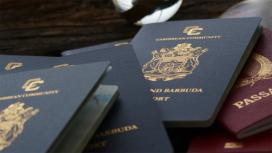
This is relevant if your second passport comes from a country that offers wider visa-free access, such as St Kitts and Nevis, Grenada, or Antigua and Barbuda, where many destinations allow short stays without a visa.
Even when both passports allow you to enter, the permitted stay might not be the same. Some passports offer 30 days, others 90 days, others longer.
Dual nationals often choose the passport that allows for a longer or easier stay, especially in regions like the Schengen Area, the UK, or Asia.
Countries may apply additional screening or visa requirements to certain nationalities.
A second passport can reduce these barriers if it comes from a country with neutral diplomatic relationships, such as many Caribbean CBI jurisdictions.
Many countries require additional documents for children, including consent forms from parents if the child is traveling alone or with one parent.
This applies even if the child holds two passports, and requirements vary by country.
Some countries require military service or have residency obligations for citizens of certain ages.
Dual citizens who travel using that passport may still be subject to those rules. This is rare but worth noting for specific nationalities.
Dual citizenship does not automatically prevent tax residency obligations.
Many countries determine tax residency based on the number of days you spend in the country or whether you have a home or economic ties there.
A common threshold is 183 days in a calendar year. Crossing it may make you a tax resident and trigger reporting obligations on worldwide income.
This is not legal or tax advice, and rules vary, so it helps to understand local thresholds before long stays.
Some countries apply different customs rules depending on citizenship and point of departure.
For example, the European Union requires a cash declaration for amounts above €10,000 when entering or leaving. Duty-free allowances can also vary for goods such as perfume, alcohol, or tobacco.
Being a dual national does not exempt you from these rules, and customs officers may ask which country you are arriving from rather than which passport you carry.
Having two passports does not guarantee automatic access to healthcare in both countries.
Short-term travel usually requires travel health insurance, especially if you are not a resident.
Within the European Union, eligible citizens may use EU systems such as the EHIC during temporary stays, but CBI citizens or non-EU nationals will need private coverage.
Healthcare access for routine care often depends on residency status rather than citizenship.
Direct answer:
The most common mistakes involve using the wrong passport at the wrong checkpoint, not checking visa rules for each passport, or assuming that dual citizenship removes all travel requirements.
Avoiding these mistakes makes travel smoother and prevents delays at airports and borders.
Details:
Dual nationals often have more travel flexibility, but that does not eliminate immigration rules.
Each passport still has validity requirements, visa rules, and return obligations.
Below are practical mistakes to avoid, especially if your second passport comes from a citizenship-by-investment country.
Some travelers present their “stronger” passport out of habit and forget that certain countries require citizens to enter or exit using their national passport.
This can cause delays or extra questions at immigration. Always check which passport the country expects from its own citizens.
Just because one passport is visa-free does not mean the other is. CBI passports (for example, from the Caribbean) may offer strong visa-free access to some regions, while other destinations may require visas. Checking rules for both passports prevents boarding issues at check-in.
Most countries require at least 3 to 6 months of passport validity for entry. Having two passports does not remove this rule. If one passport is close to expiring, plan renewals in advance so you do not rely solely on the second one during travel.
Airline tickets and passports do not have to match perfectly for nationality, but the name and date of birth must match exactly.
Using different documents can trigger manual checks or delays during boarding. Choose one passport for booking and keep the second ready for check-in or immigration if needed.
Even with two passports, there are still rules to follow. Length-of-stay limits, customs requirements, parental consent for minors, and other regulations still apply.
Dual citizenship increases flexibility, but it does not replace immigration procedures.
Direct answer:
Several countries offer citizenship by investment to qualified applicants. These programs provide a legal path to a second passport and support long-term travel flexibility.
Details:
Here are established citizenship-by-investment options by region:
Saint Kitts and Nevis: Minimum investment is $250,000 for a donation or $325,000 for real estate. Processing typically takes 6–8 months.
Saint Lucia: Minimum investment is $240,000 for a donation or $300,000 for real estate. Processing is around 4–6 months.
Dominica: Minimum investment is $200,000 for both donation and real estate. Processing usually takes 6–8 months.
Grenada: Minimum investment is $235,000 for a donation or $270,000 for real estate. Processing typically takes 6–8 months.
Antigua and Barbuda: Minimum investment is $230,000 for a donation or $300,000 for real estate. Processing is around 4–6 months.
Nauru: Minimum investment is $130,000 as a donation. Processing takes 3–4 months.
São Tomé and Príncipe: Minimum investment is $90,000 as a donation. Processing is approximately 2 months.
Sierra Leone: Minimum investment is $140,000 as an economic contribution. Processing takes 2–3 months.
Türkiye: Minimum investment is $400,000 in real estate. Processing takes 6–8 months.
Egypt: Minimum investment is $250,000 for a donation or $300,000 for real estate. Processing takes 3–6 months.
If you already hold dual citizenship, or you are considering a second passport for mobility and security, i
It helps to understand your options clearly. Every country has its own rules for naturalisation, residency, visa-free access, and taxation, so your plan should fit your personal goals rather than general assumptions.
If you want structured guidance for your situation, reach out to our team for an eligibility review and next steps.
Yes. Dual citizens can travel with two valid passports. You will not present both passports at every checkpoint. The passport you use depends on the country you are entering or leaving and the airline’s requirements at boarding.
You can book a ticket using either passport as long as your name matches exactly. Airlines care mainly about your identity for ticketing. At the airport, they will check which passport gives you the right to enter your destination.
Most countries require citizens to exit and re-enter using their national passport. If you have a second citizenship, keep the other passport for use at the destination or in transit.
It depends on the passport and the destination. A second passport may remove the need for visas in some countries but not in others. Always check entry rules for each passport before you travel so you know which one gives you visa-free access.
Yes. This is common for dual nationals. For example, you may leave your home country using your national passport and enter your destination using your second passport if it gives you visa-free entry.
Yes. You should travel with both passports even if you only present one at certain checkpoints. Airlines or border authorities may ask to see both to verify identity or travel rights.
You need insurance that fits your destination and your residency status. Some citizens have public healthcare access, others do not. A second passport does not guarantee automatic medical access, so many travelers use private travel insurance.
Yes, several countries offer citizenship-by-investment programs. These programs allow eligible applicants to obtain citizenship through a qualifying investment. If your goal is easier travel or long-term mobility planning, these programs are worth reviewing.
It can. Some countries tax based on residency, and others tax based on citizenship or economic ties. If you stay long enough in a country, you may become a tax resident there. This is not tax advice, and rules differ by country, so it is worth checking local requirements.
They may, especially if your passports are from countries with different visa rules. In most cases, showing both passports and explaining the reason (e.g. dual citizenship or citizenship by investment) is enough.
You travel the same way as any dual national. The main difference is visa-free access. Caribbean passports, for example, offer strong mobility in Europe and the UK. Airline and border rules still apply in the same way.
Rules for passport usage at departure and arrival. Referred from: https://www.schengenvisainfo.com/news/how-to-travel-with-two-passports/
Customs declarations and duty-free cash limits. Referred from: https://www.europarl.europa.eu/news/en/faq/5/what-are-the-customs-rules-for-entering-and-leaving-the-eu
Healthcare access and travel insurance for international travel. Referred from: https://ec.europa.eu/social/main.jsp?catId=559
Written By

Alice Emmanuel
Alice Emmanuel is an expert in residency and citizenship by investment, specializing in government compliance and program optimization. With over 8 years of experience, she has guided high-net-worth individuals through acquiring global mobility and new citizenships, particularly in Europe, the Caribbean, and the Middle East. Alice's in-depth knowledge of Middle Eastern residency programs makes her a trusted advisor for investors seeking security and diversification in the region.